
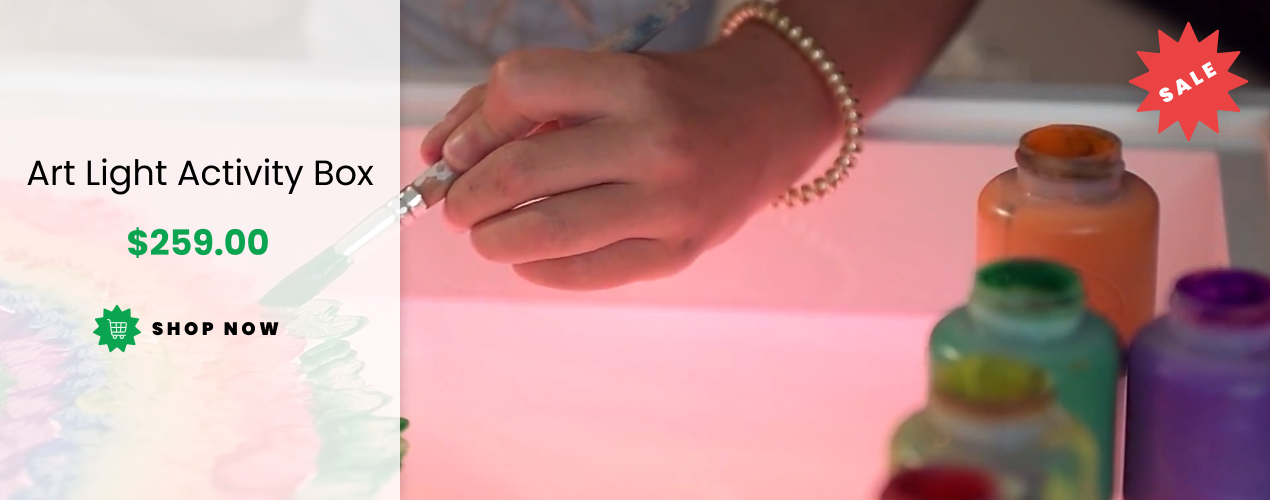


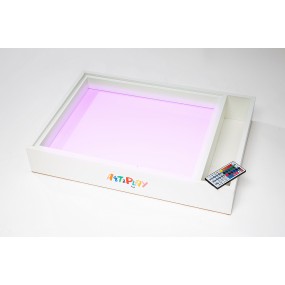
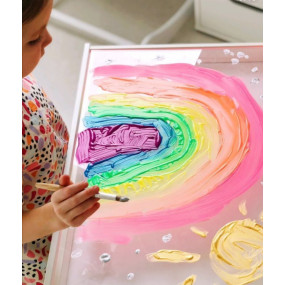
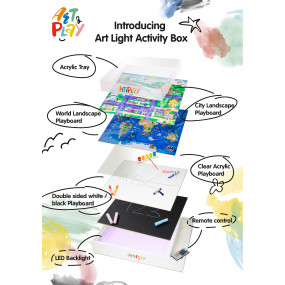
Art Light Activity Box
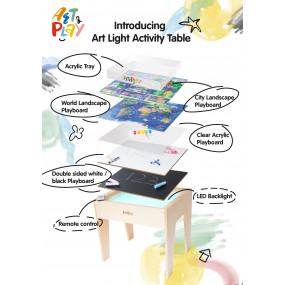
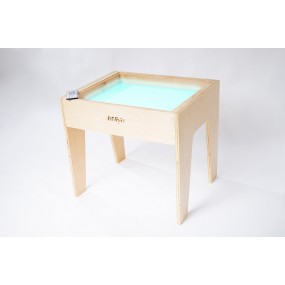
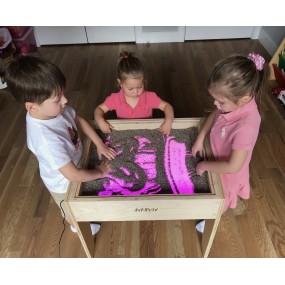
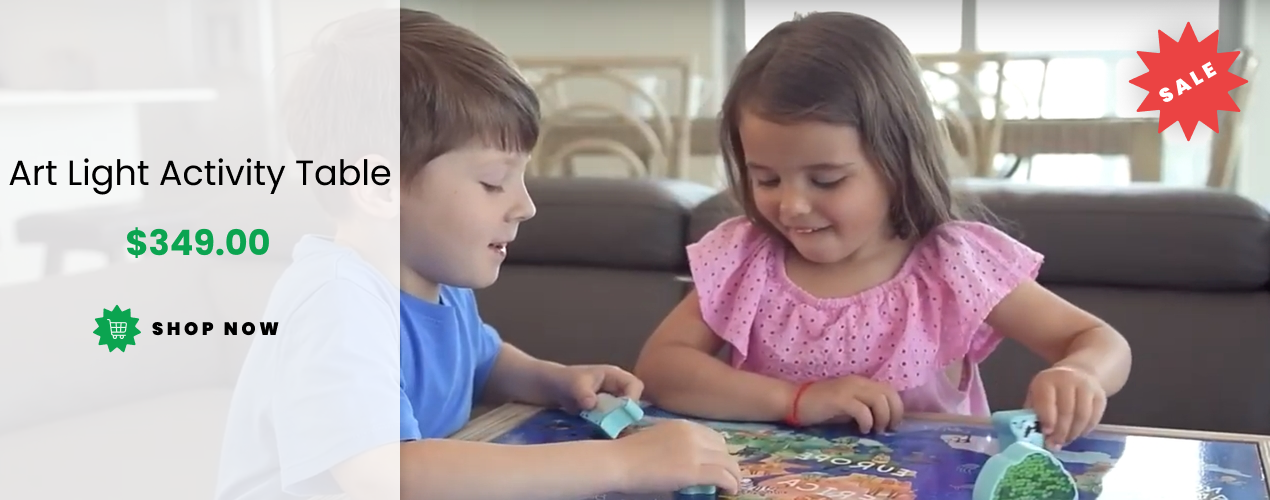
Art Light Activity Table
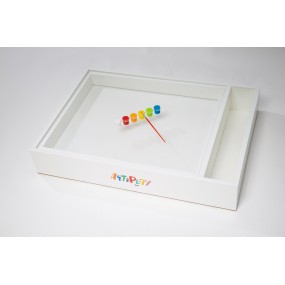
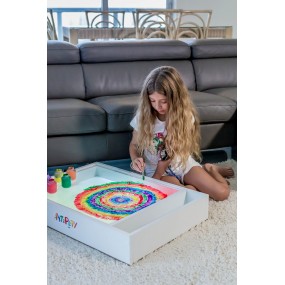
Clear Acrylic Playboard
Black & White Playboard
Art Light Activity Table
Art Light Activity Box
Black & White Playboard
Clear Acrylic Playboard
Art Light Activity Box
Art Light Activity Table
Clear Acrylic Playboard
Black & White Playboard


Testimonials
-

Play
These days every parent's main concern is how to entertain and engage their child/children, especially when they’re at home. In our high-paced society, it is often a difficult task to accomplish.
For parents who are looking for a solution, we offer our invention. It will definitely become your child's favorite, and will help him/her grow.
-
Grow
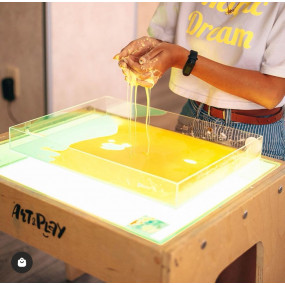
Your child(-ren) will love playing with different kinds of sand. We believe that this fun activity will become their newest and best hobby. The surface of our Art Activity Table can be used for various materials - not just for sand, but also for water balls and for all kinds of magnetic constructions.
-
Develop
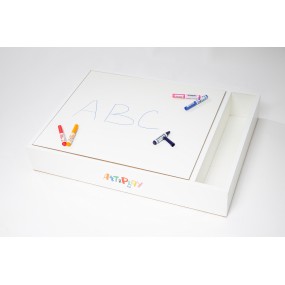
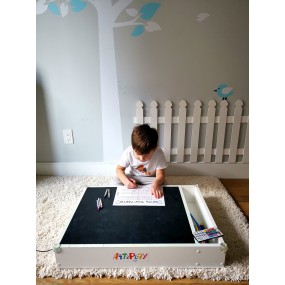
Would you like to change your activity for one of our Tables/Boxes? Just cover the Table/Box with a black & white board, and enjoy drawing with markers or chalk. The side storage part of the Box/Table will allow you to keep these necessary accessories there - markers, chalk, and others.
